3Board of Directors
3.1Members of the Board of Directors
GRI 2-9: Governance structure and composition
GRI 2-11: Chair of the highest governance body
On 31 December 2025, the Board of Directors (Board) of the Company consisted of the following persons:
Name Role Nationality | First election | Current term ends | Other significant board memberships |
Daniel Frutig Non-executive Chairman Swiss | 2021 | 2026 | Vice-Chairman and Delegate of the Board of Directors of Eugster/Frismag AG Member of the Board of Directors of AE Familienholding AG Vice-Chairman of the Advisory Board of Kaiser GmbH & Co KG, Germany Member of the Board of Directors of AGRO AG Member of the Board of Directors of Abifor AG (since April 2025) Member of the Board of Directors of RUAG International / Beyond Gravity (since January 2026), designated Chairman |
Norma Corio Non-executive member American | 2021 | 2026 | Member of the Board of Directors of Finance of America Member of the Board of Directors of Wood Technologies International Member of the Board of Directors of Omni Environmental Solutions Member of the Board of Directors of AlTi Global, Inc. |
Denise Koopmans Non-executive member Dutch | 2022 | 2026 | Member of the Board of Directors of Swiss Post AG Member of the Board of Directors of Royal BAM Group NV Member of the Board of Directors of Norma Group SE Member of the Board of Governors of Grant Thornton (since June 2025) Member of the board of Trustees of WWF International (since January 2026) Lay judge/expert at the Enterprise Chamber of the Amsterdam Court of Appeal (until January 2026) |
Konstantin Ryzhkov Non-executive member Russian and Dutch | 2021 | 2026 | None |
The Board of Directors is 50% female and three of the four members are independent of Cicor’s anchor shareholder.
No member of the Board of Directors held previously a management position within the Cicor Group in the three financial years preceding the reporting period. No member of the Board of Directors has a significant business connection with a Cicor Group company.
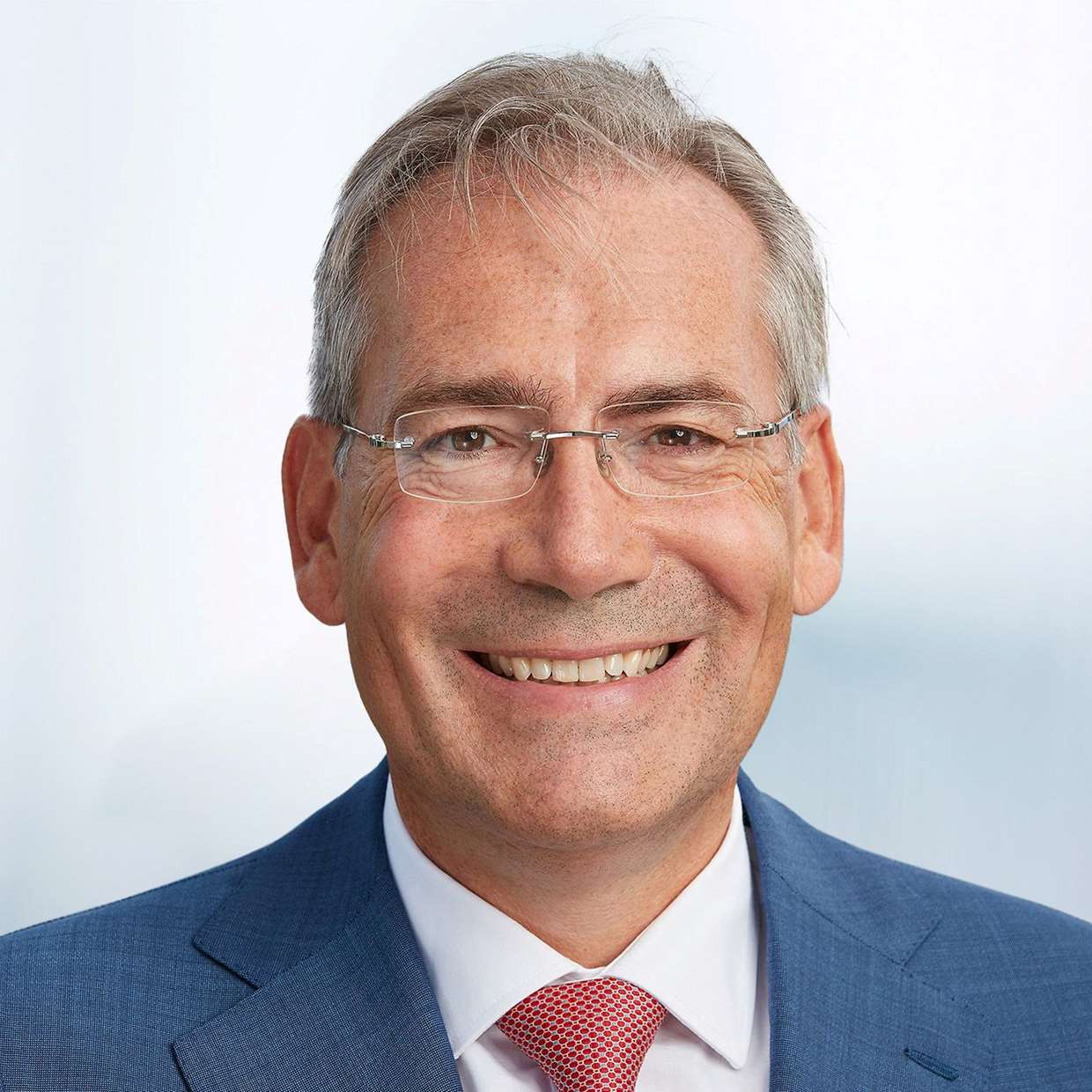
Daniel Frutig
Chairman
Daniel Frutig is an expert in international business transformations with a focus on technology‑driven industrial companies. His work centers on sustainable value creation through strategic business development, international growth and operational excellence in both listed and privately held organisations. As an entrepreneur, independent board member and chairman, he has many years of experience in leading, scaling and transforming global industrial companies. He began his career at Sulzer AG and later held international leadership positions at Accenture and Compass Group, followed by CEO responsibilities at Arbonia and the Medela Group. In 2018, he founded EvolutionF AG. Daniel Frutig studied Building Technology and Energy at the Lucerne University of Applied Sciences and Arts and holds an Executive MBA from the University of St. Gallen (HSG), complemented by executive education at IMD and INSEAD.
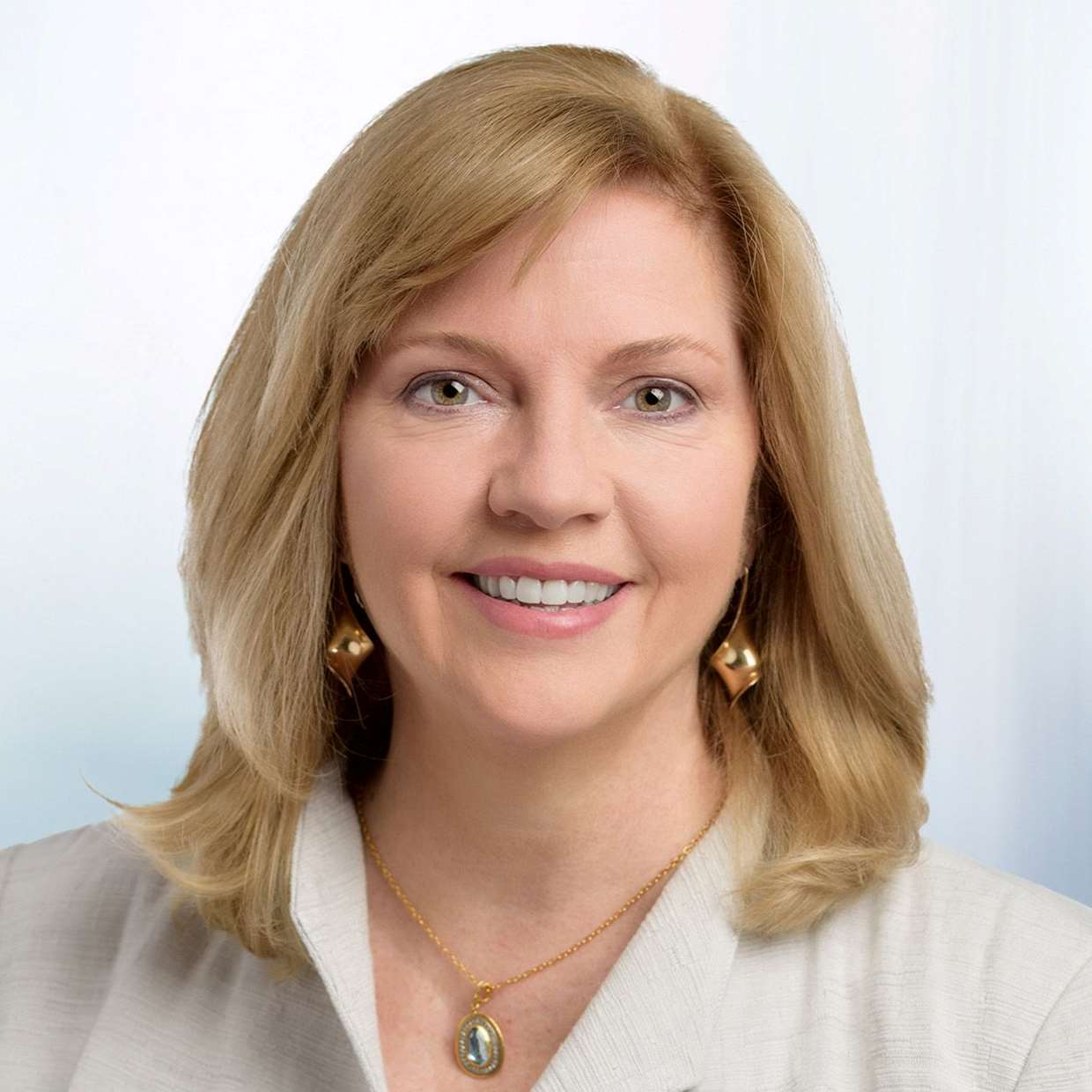
Norma Corio
Norma Corio is an accomplished leader with extensive experience in corporate governance and finance. Until August 2022, Norma was a Senior Managing Director and member of the Investment Committee at One Equity Partners (OEP), a US-based Private Equity firm. In addition to Cicor, Ms. Corio continues to be a Director on the boards of OEP portfolio companies Omni Environmental Solutions and Wood Technologies International. She also serves on the Boards of Finance of America and AlTi Global, Inc, both of which are publicly listed companies in the United States.
Prior to joining OEP, Ms. Corio was the Chief Financial Officer of American Express Global Business Travel from June 2014 to June 2017, and Co-President of Miller Buckfire from April 2013 to May 2014. Previously, Ms. Corio spent 30 years with JPMorgan Chase in New York, where she held various positions including Treasurer, and previously, Head of Restructuring within the Investment Banking Division, where she led the corporate finance practice for over 12 years. Ms. Corio also held positions in credit and risk management and investor relations. Ms. Corio received her MBA in Banking & Finance from Pace University (US), and her BA in Economics from LeMoyne College (US).
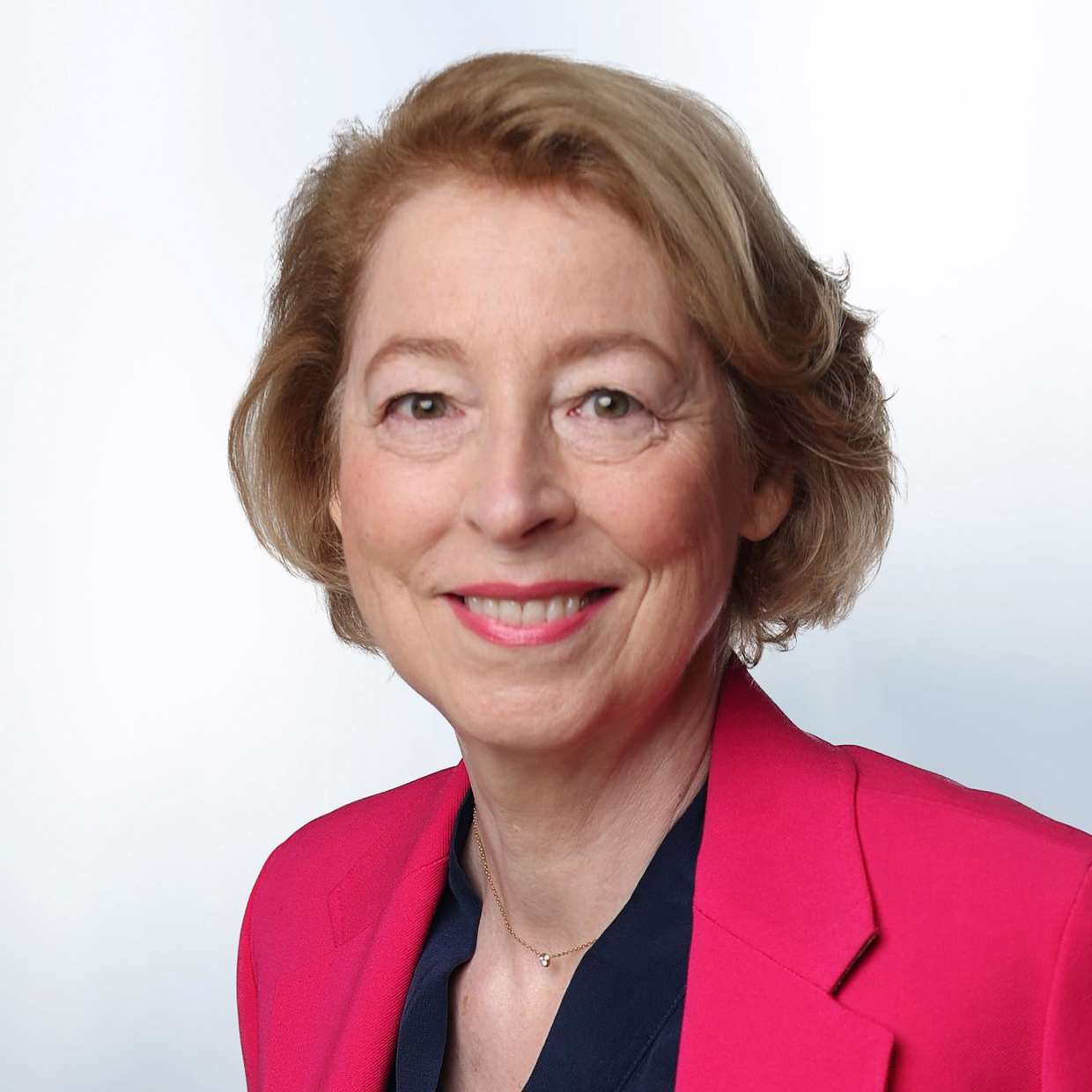
Denise Koopmans
Denise Koopmans has extensive international and operational experience as CEO in leading the organic and transformative development of global B2B companies. She was Managing Director of the Legal & Regulatory Division of Dutch publisher Wolters Kluwer and Director of Wolters Kluwer’s Global Workflow Solutions Businessline, leading their digital transformation and restoring growth. Prior to joining Wolters Kluwer, she was CEO of LexisNexis Intelligence Solutions (RELX Group), a global business intelligence and analytics solutions company headquartered in Paris. Previously Denise Koopmans held various senior executive roles, including global M&A responsibility, at Capgemini Engineering. Denise Koopmans is a seasoned non-executive director, supporting companies with their new-growth transformation, innovation and scaling businesses across new markets and geographies. She is passionate about ESG and helping companies navigate and integrate sustainability in their daily business. Denise Koopmans is a graduate of the University of Rotterdam, Harvard Business School and INSEAD.
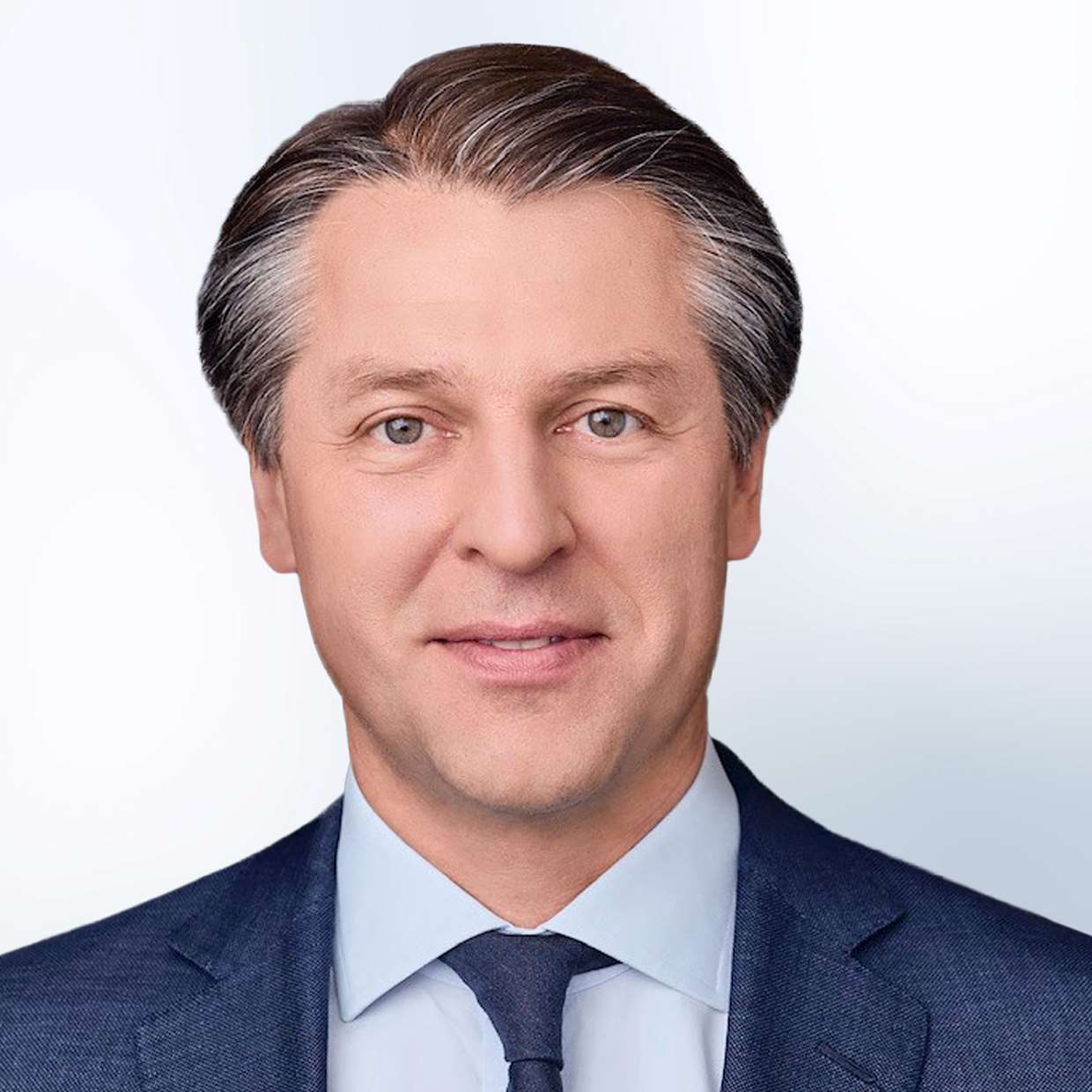
Konstantin Ryzhkov
Konstantin Ryzhkov joined One Equity Partners (OEP), a US-based private equity firm in 2017 as a partner based out of its Amsterdam office. Mr. Ryzhkov was responsible for investments in Spartronics, Crayon and MERA (Orion Innovation). Prior to joining OEP, Mr. Ryzhkov was Deputy CEO and a member of the investment committee of a sovereign wealth fund focused on global co-investment opportunities. Prior to that, Mr. Ryzhkov worked at VTB Group, where he was responsible for structured debt and equity products and at Bank of America in the corporate finance and project finance departments. Mr. Ryzhkov received his BA in Economics from Davidson College (NC, US).
3.2Other Activities and Vested Interests
GRI 2-15: Conflicts of interest
Information about other activities of the Board members in addition to their functions for Cicor Technologies Ltd. is listed in section 3.1 Members of the Board of Directors.
3.3Number of Permitted Activities
According to Art. 32 septies of the Articles of Association, Board members may not hold more than three additional mandates in listed companies and fifteen additional mandates in unlisted companies.
3.4Elections and Terms of Office
GRI 2-10: Nomination and selection of the highest governance body
According to the Company’s Articles of Incorporation, the Board consists of one or more members. The members of the Board as well as the Chairman of the Board are elected by the Annual General Meeting of Shareholders for a term of office of one year. There are no limits as to how many times a member can be re-elected, or any upper age limit for election.
According to the Company’s Articles of Incorporation, at least one member must be domiciled in Switzerland.
3.5Internal Organisational Structure
The Board constitutes itself at its first meeting after the Annual General Meeting of Shareholders except for the appointment of the Chairman of the Board and the members of the Remuneration Committee. It appoints, if necessary, its Vice Chairman and the Audit Committee as well as a Secretary, who does not need to be a member of the Board. The Board meets as often as the Company’s affairs require or upon the written request of one of its members. The Board approves resolutions and holds elections with the majority of its votes.
The Board is the highest executive instance within the Group’s management structure and takes responsibility of the overall governance of the Company and the Group. It oversees the Group Management of their affairs. The basic principles regarding the definition of the areas of responsibility between the Board and the Group Management are described in section 3.6.
The Chairman of the Board of Directors
The Chairman presides over meetings of the Board and the Annual General Meeting of Shareholders. He supervises the implementation of the resolutions passed by the Board and coordinates the work of the committees ensuring that the Board as a whole operates as an integrated, cohesive body. The current Chairman of the Board of Directors is Daniel Frutig.
Audit Committee
The Audit Committee consists of one or more Board members elected by the Board of Directors. The following members have been appointed:
- Denise Koopmans, Chairman (as of 15 April 2022)
- Norma Corio (as of 16 July 2021)
- Daniel Frutig (as of 15 April 2022)
The Audit Committee assists the Board in supervising the management of the Company, particularly with respect to financial and legal matters as well as in relation to compliance with internal business policies and codes of practice.
Remuneration Committee
In accordance with the Articles of Incorporation, Cicor has a Remuneration Committee that consists of one or more members of the Board of Directors, who are elected individually by the Annual General Meeting of Shareholders. The following members have been elected:
- Daniel Frutig, Chairman (as of 15 April 2021)
- Konstantin Ryzhkov (as of 16 July 2021)
The roles and responsibilities of the Remuneration Committee are defined in detail by the Board of Directors. More information on their duties is provided in the remuneration report.
Mandatory Offer Committee
When Cicor became aware that its main shareholder, OEP, intended to convert its mandatory convertible notes, which required OEP to make a public takeover offer to Cicor’s other shareholders as its shareholding exceeded the 33 1/3% threshold, a Mandatory Offer Committee was established effective 11 October 2024. The members of the Board of Directors, with the exception of Konstantin Ryzhkov, who represents OEP on the Board of Directors, were appointed as members of the committee as follows:
- Daniel Frutig, Chairman (from 11 October 2024 to 28 February 2025)
- Norma Corio (from 11 October 2024 to 28 February 2025)
- Denise Koopmans (from 11 October 2024 to 28 February 2025)
The committee was established to evaluate the OEP public takeover offer and to reach a common opinion among its members on the offer. The committee was dissolved upon completion of the offer on 28 February 2025.
Operating methods of the Board and the committees
Between 1 January and 31 December 2025, the Board met for five ordinary Board meetings, one short meeting before the Annual General Meeting as well as two phone conferences for the release of the annual and semi-annual report. The CEO and/or the CFO of the Group attended all meetings. On a selective basis, external advisors also participated in some meetings on specific subjects. The ordinary meetings of the Board lasted on average six hours. For each Board meeting, the members were provided with adequate material in advance to prepare for the items on the agenda. At each ordinary meeting, the CEO or the CFO presented the results of the Cicor Group and its segments in detail. The Board discussed the results comprehensively and, where required, instructed the CEO or the CFO to take necessary actions or to draw up plans for measures.
The Board of Directors has established a regular feedback loop jointly with the Group Management at the end of each meeting to determine whether expectations have been met, priorities pursued and to discuss opportunities for improvement. This regular approach is more comprehensive in the last meeting of the year, when the Board of Directors discusses specific opportunities for improvement in ‘Privatissimo’, discusses the cooperation and effectiveness of the Board of Directors and its interaction with operational management, and decides on appropriate measures.
The Audit Committee held four meetings in 2025. The CFO of the Group participated in each meeting. In addition, these meetings were attended by the auditor in charge. The meetings lasted on average two hours.
The Remuneration Committee held four meetings in 2025. The meetings lasted on average two hours.
The Mandatory Offer Committee held one meeting in 2025. The meeting lasted one hour.
The Board held several additional meetings at short notice to discuss recent developments and decide on the next steps for Cicor’s ongoing M&A projects. The meetings lasted on average one hour.
3.6Definition of Areas of Responsibility
The duties and responsibilities of the Board and the Group Management are defined according to the following: The Board holds the ultimate decision-making authority and decides on all matters which have not been reserved for or conferred upon another governing body of the Company by law, the Articles of Incorporation or regulations regarding the delegation of Management of the Company. The Board has the following non-transferable and indefeasible duties in particular:
- Overall governance of the Company and the Group, including formulating medium- and long-term strategies, planning priorities and laying down guidelines for corporate policy;
- approving the annual Group budgets and medium- to long-term Group business and investment plans; establishing the basic organisational structure; defining the guidelines for accounting, financial controlling and financial planning systems; taking decisions on transactions of substantial strategic significance;
- appointing and removing those responsible for managing the Company’s affairs and acting as its agent, in particular the CEO, the CFO and other members of the Group Management;
- appointing and removing the members of the committees of the Board (Remuneration Committee is elected by the Annual General Meeting of Shareholders);
- overall supervision of the bodies and officers responsible for the management of the Company;
- drawing up the annual and interim reports, preparing the Annual General Meeting of Shareholders;
- notifying the court in the event of over-indebtedness;
- proposing and implementing capital increases and amending the Articles of Incorporation;
- checking the professional qualifications of the external Group auditors.
The Board conferred management functions in the manner provided by the organisational regulation to the CEO or the Group Management. Thereby, it follows the Company’s general principle according to which all executive bodies and officers delegate their duties and powers to the hierarchically lowest possible body or officer that possesses the knowledge and expertise necessary to make appropriate decisions. The operational Group Management is responsible for the day-to-day operational business of the Group. Its main duties consist of:
- Conducting day-to-day business of the Group in compliance with the applicable laws, Articles of Incorporation, regulations and instructions;
- implementing the Group strategy;
- preparing and executing the resolutions of the Board and ensuring their Group-wide implementation;
- reporting all matters to be dealt with by the Board and the committees;
- accounting and analysing of the monthly results and semiannual and annual accounts on Group and divisional levels as well as implementing the required internal control measures.
3.7Information and Control Instruments
The Board receives monthly reports to enable it to assess the current business situation. The reporting is based on aggregated financial and non-financial information from all Group companies, using uniform accounting policies.
The information is consolidated using a group-wide implemented reporting system and reported to the Board as part of the Management Information System (MIS). The reporting includes financial and non-financial information for the two segments. It explains variances in the current year’s performance compared to budget and to the previous year, and includes further commentary from the Group Management on the course of business.
The Board analyses the MIS report monthly and discusses points of interest with the Group Management. At each ordinary Board meeting, the CEO, the CFO and the COO inform on the day-to-day operations, important business events and the course of business. The members of the Board and the Board Committees are entitled to request information on all matters relating to the Group. See section 3.5 for further information on the working methods of the Board and its Committees.
In addition to the MIS described above, Cicor maintains a group-wide risk management process that defines, evaluates and monitors the significant risks of each company and the Cicor Group as a whole. Risk management is a fundamental element of Cicor’s business practice at all levels and covers various types of risk. Significant risks are continuously identified, quantified and discussed with the Group Management and the Board of Directors.
In 2025, Cicor established an Internal Audit function. The execution of internal audit activities has been outsourced to Deloitte. One internal audit engagement was conducted during the 2025 financial year. The Internal Audit function supports the Board of Directors and the Audit Committee in monitoring the effectiveness of the internal control system, risk management, and governance processes.